Launch Innovation Processes & scale
Closing the Gap of Execution to create value
Deploy pilots, continuously improve AI workflows, and scale
operation models.
Key Activities
- Core Pilot & use case execution
- Reengineer core domain processes
- Add AI Edge subprocesses
- Measure operational & business results
- Pilot & use case execution (core + edge)
- Client process & data integration
- Scale and continuous improvement
InnovMates™ Intelligence Layer
- Help scope Pilot & use case
- Discover core functional processes
- Suggest AI Edge subprocesses
- Automate operational & business activity
- Implement continuous innovation cycles
Key Deliverables
- Pilot & use case execution
- Reengineered core functional processes
- Added AI Edge subprocesses
- Measured operational & business results
- Implement continuous innovation cycles
Why Executives, Leaders & Decision-Makers Choose Us
Discover of AI-Led initiatives and SAP Advisory & Assurance Programs selection

SAP Clients
RISE & Cloud Business Case Assistance

Retail-FMCG
New Product introduction concept modeller

SAP Construction Scoping Review & Assurance

SAP S/4HANA AI-Led Delivery Assurance

Internal and External Audit Accelerators

Governance & Risk AI-Led Assurance

1. Revenue Growth Program
Objective: Increased top-line revenue by leveraging innovation strategies.
Delivered Benefits:
• Revenue Growth
• New market penetration and product diversification.
Related Scenarios used:
1. Launching Premium Offerings: Create and market a higher-tier product or service to increase revenue per customer.
2. Dynamic Pricing Strategies: Implement and test adaptive pricing models based on market demand.
3. Expanding Subscription Services: Develop subscription-based revenue streams to ensure recurring income.
4. Bundling Products for Value: Test product or service bundles to increase average transaction value.
5. Exploring New Revenue Channels: Evaluate partnerships, licensing, or data monetisation.

2. Customer Retention & Engagement Program
Objective: Strengthened customer loyalty and enhanced engagement.
Delivered Benefits:
• Customer Retention
• Increased Net Promoter Scores.
Related Scenarios considered:
1. Designing a Loyalty Program: Create a tiered rewards system to encourage repeat business.
2. Hyper-Personalisation of Services: Use AI or analytics to deliver highly tailored experiences.
3. Reducing Customer Churn: Analyse feedback and design interventions for at-risk customers.
4. Enhancing Post-Sale Support: Develop and test an upgraded after-sales service model.
5. Omnichannel Engagement: Create seamless integration across digital, mobile, and physical touchpoints.

3. Operational Efficiency Program
Objective: Achieved cost reductions and process optimisation.
Delivered Benefits:
• Efficiency Gains
• Reduced operational costs and faster time-to-market.
Related deployed Scenarios:
1. Streamlining Internal Processes: Apply lean principles to identify and eliminate inefficiencies.
2. Adopting Robotic Process Automation (RPA): Simulate task automation in finance, HR, or supply chain.
3. Migrating to a Paperless Office: Implement digital workflows and document management systems.
4. Enhancing Employee Productivity Tools: Introduce and evaluate new tools to increase collaboration output.
5. Implementing Predictive Maintenance: Use IoT and analytics to prevent equipment downtime.

4. Supply Chain Resilience Program
Objective: Minimised disruptions and improved supply chain adaptability.
Delivered Benefits:
• SC Disruption Reduced
• Enhanced supplier performance and reduced lead times.
Related Scenarios implemented:
1. Building Redundant Supply Chains: Simulate the development of alternative supplier networks.
2. Optimising Inventory Management: Implement Just-In-Time (JIT) or safety stock strategies.
3. Digitising Supplier Relationships: Test a blockchain-enabled supply chain management system.
4. Improving Demand Forecasting: Use AI to predict market demand and adjust procurement accordingly.
5. Evaluating Near-shoring Opportunities: Assess shifting production closer to core markets.

5. Market Leadership Program
Objective: Positioned the company as an industry leader through innovative strategies.
Delivered Benefits:
- Carveout & Market Leadership
- Enhanced brand recognition and competitive advantage.
Related Scenarios:
- Launching Breakthrough Products: Develop and execute plans for a game-changing product.
- Investing in Thought Leadership: Create a strategy for publishing industry research or white papers.
- Building Brand Advocacy:
Cultivate loyal customer communities to amplify word-of-mouth. - Expanding Ecosystem Partnerships: Create a platform or marketplace for partners and collaborators.
- Driving Sustainability Leadership: Lead the industry in green initiatives and environmental responsibility.

6. Digital Transformation Program
Objective: Leverage technology to modernise and transform business operations.
Delivered Benefits:
- Increased operational agility and faster decision-making.
- Enhanced employee and customer digital experience.
Related Scenarios:
- Implementing Cloud-Based ERP Systems: Simulate the transition from legacy systems to cloud ERP.
- Adopting AI in Decision-Making:
Test AI-driven analytics for forecasting and resource planning. - Integrating IoT into Operations:
Evaluate IoT applications for manufacturing or logistics. - Digitizing Customer Journeys: Create end-to-end digital paths for customer acquisition and retention.
- Enhancing Cybersecurity Protocols: Simulate responses to potential cyberattacks and data breaches.
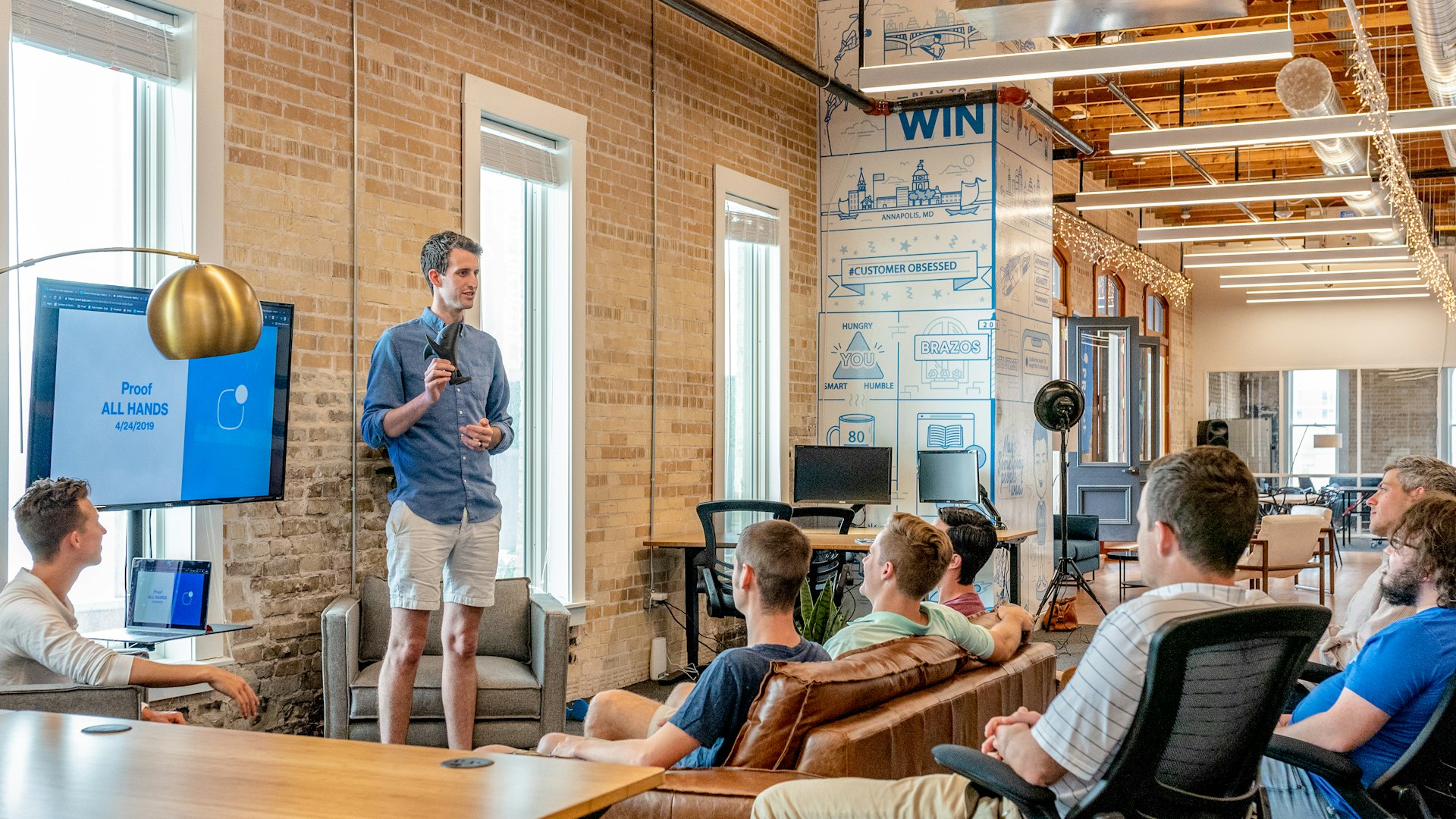
7. Innovation Culture & Capability Program
Objective: Foster a culture of innovation and build employee capabilities.
Delivered Benefits:
- Enhanced employee engagement and retention.
- Improved cross-department collaboration.
Related Scenarios:
- Designing Innovation Hackathons: Simulate hosting an internal or external innovation competition.
- Training on Design Thinking:
Develop & implement training modules for employees. - Promoting Intrapreneurship:
Create a platform for employees to pitch and execute their own ideas. - Building Cross-Functional Teams: Simulate projects requiring collaboration across departments.
- Measuring and Rewarding Innovation: Develop metrics and incentives for innovation contributions.

8. Sustainability and Social Responsibility Program
Objective: Drive innovation that aligns with environmental and social goals.
Delivered Benefits:
- Increased customer and stakeholder trust.
- Competitive differentiation through purpose-driven initiatives.
Related Scenarios:
- Achieving Zero-Waste Manufacturing: Simulate a program to recycle and reuse materials.
- Developing Sustainable Packaging: Test eco-friendly alternatives to existing packaging.
- Launching Green Product Lines: Create a new line of sustainable products.
- Engaging Stakeholders on ESG Goals: Simulate stakeholder meetings to align on sustainability initiatives.
- Enhancing Community Impact: Design programs to address specific social issues.
Fashion-Luxe Project Study